
An Independent Educational Institution Rooted in Decolonial and Critical Pedagogy
Jîna Academy for Humanities and Social Research is a non-profit educational institute founded in 2025 in Canada, with instructors and board members from around the world. Inspired by the Jin, Jiyan, Azadî uprising that followed the killing of Jîna Amini in September 2022, the Academy creates multilingual spaces for critical study grounded in the struggles of Kurdistan, Iran, and connected geographies of resistance.
In our first academic year, we offered an interdisciplinary certificate program, public lectures, and an international summer school in collaboration with universities in Rojava, Bremen, and Paris. Our courses bring together scholars, artists, students, and activists, with teaching offered in Kurdish, Persian, and English.
In 2026–27, Jîna Academy will begin its second academic year with an expanded certificate program, new modules, public events, and its first biennial conference. Rooted in decolonial, feminist, and critical pedagogy, we are building an accessible and intellectually rigorous institution for those seeking to learn beyond conventional academic boundaries.
MEMBERS OF OUR ACADEMIC EXECUTIVE BOARD
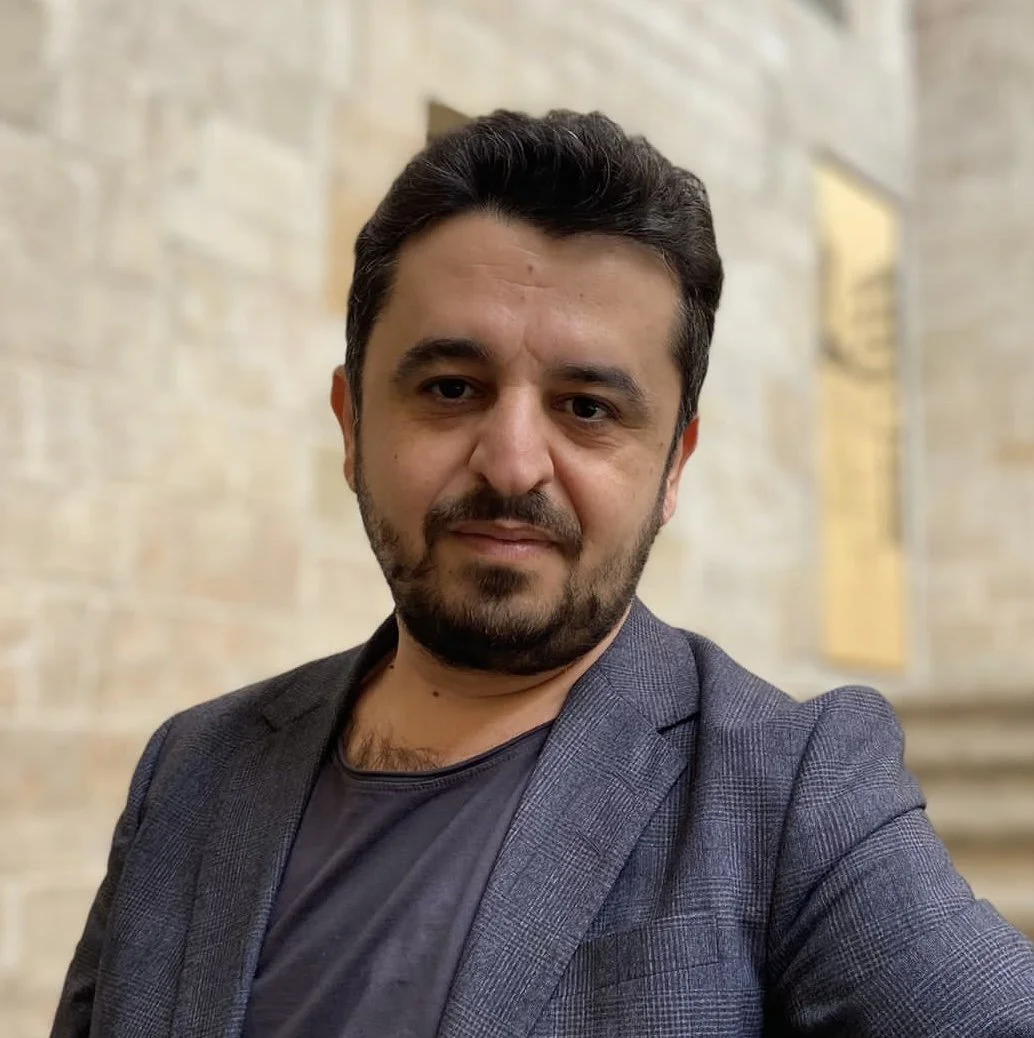
Sardar Saadi
Sardar Saadi is a sociocultural anthropologist, an instructor of Kurdish Studies, and the Program Coordinator of the Kurdish Studies Initiative at the University of Toronto. He is an Adjunct Research Professor at Carleton University and has taught in Canada for over a decade at universities including Carleton, the University of Ottawa, and the University of Toronto. He has also worked extensively with the University of Rojava, serving as Co-Director of its Institute of Social Sciences and Humanities from 2020 to 2024. His research focuses on Kurdish politics, popular sovereignty, stateless democracy, and higher education in conflict-affected regions.
Executive director

Rojin Mukriyan
Rojin Mukriyan is a political theorist and PhD graduate in the Department of Government and Politics at University College Cork, Ireland. She holds a BA in Philosophy and Politics and an MSc from UCC, where she also lectures on political theory. Her research focuses on Kurdish politics, democratic confederalism, political liberty, and alternatives to the nation-state, with particular attention to Abdullah Öcalan’s political thought and the Kurds of Rojava. She has published in peer-reviewed international journals, presented at international conferences, and regularly provides analysis of political developments in Eastern Kurdistan for Kurdish and Persian news channels.
Project Manager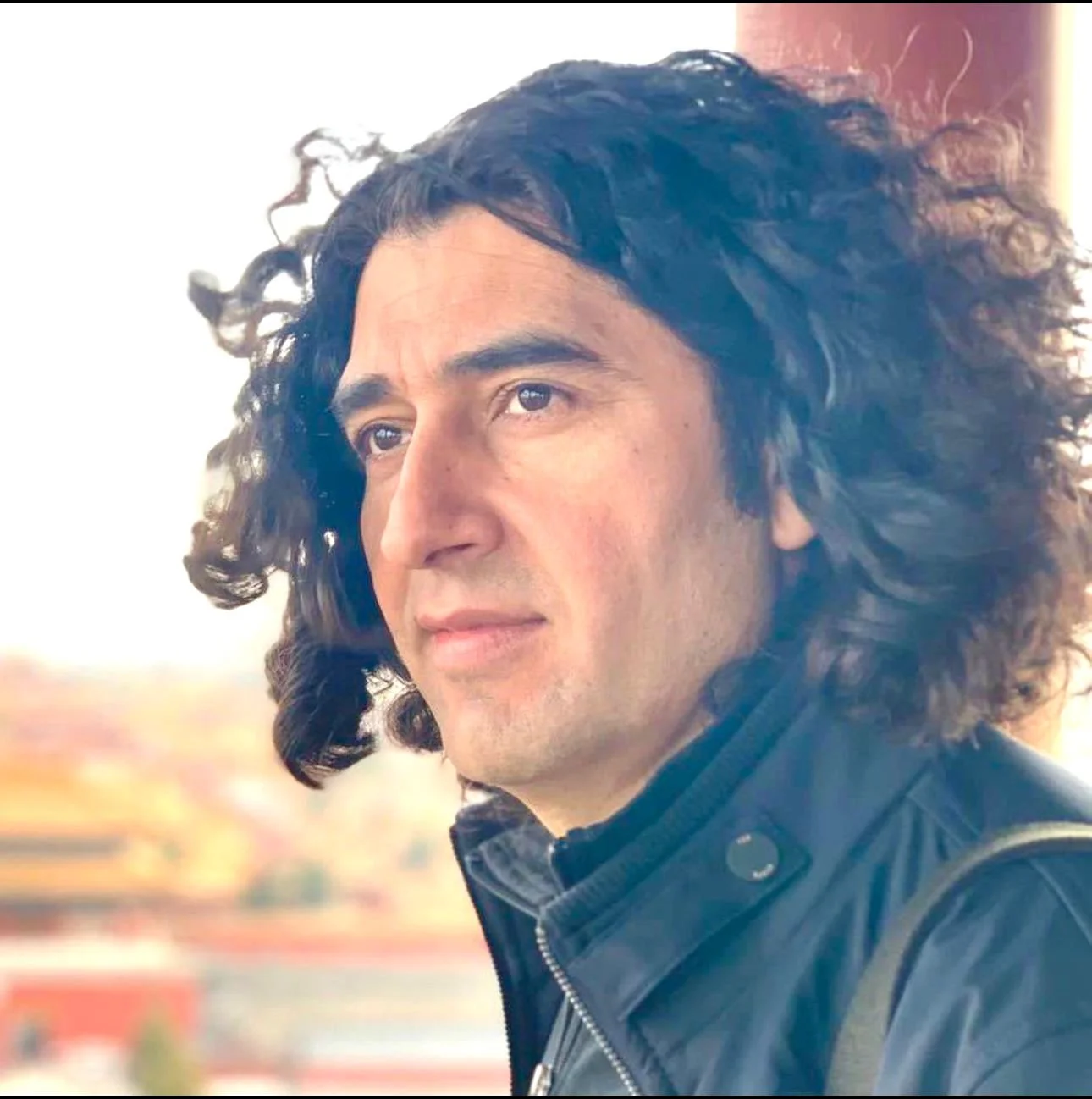
Seevan Saeed is Associate Professor of Middle East Studies at Shaanxi Normal University and Senior Lecturer at the University of Rojava. He holds a PhD in Middle East Politics from the University of Exeter. His multilingual research and teaching address political and social developments in Kurdistan, the Middle East, and the wider international context.
Academic Executive Board MemberSeevan Saeed
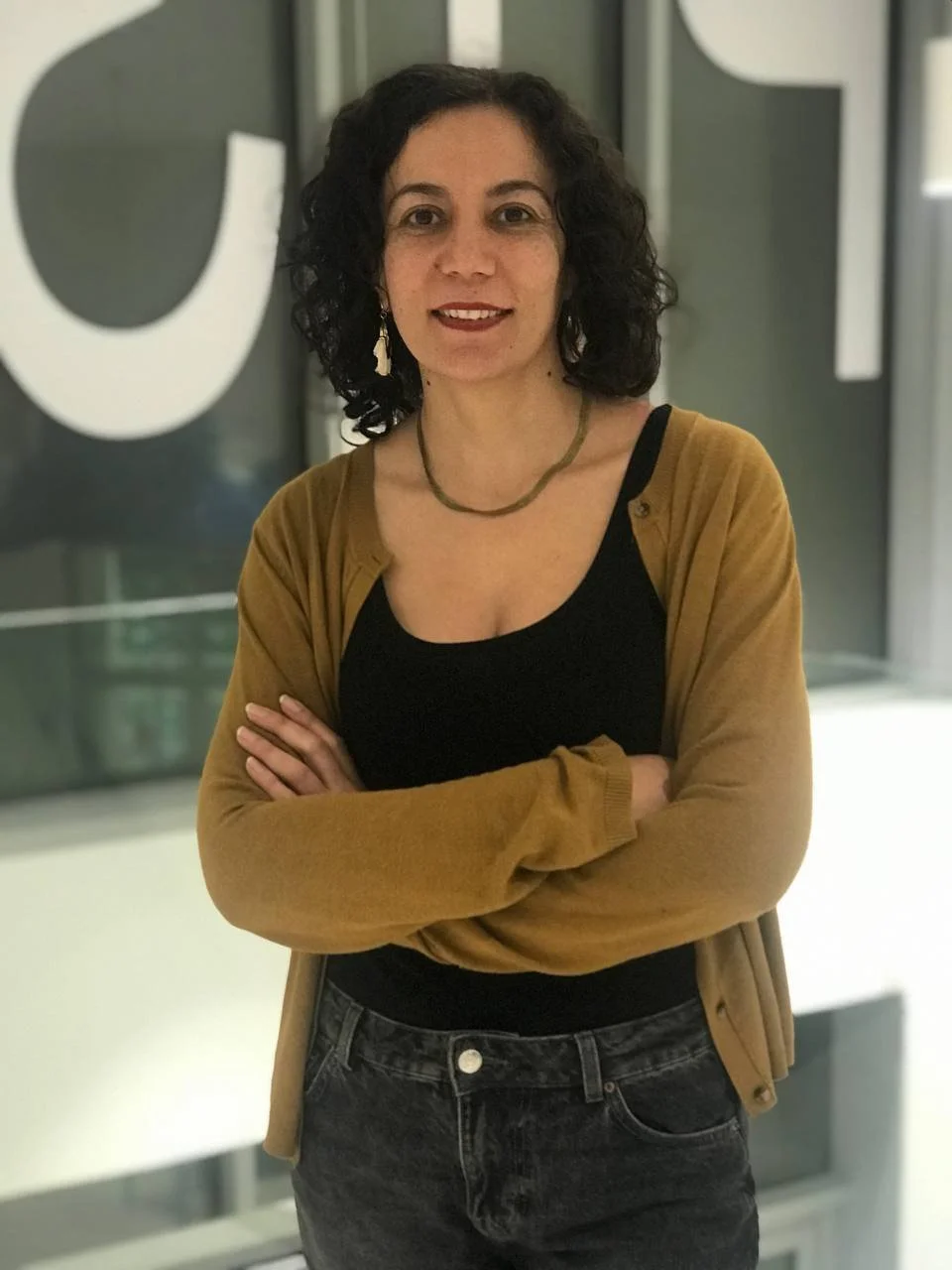
Hawzhin Baghali is a sociologist specializing in religion and politics in Kurdistan and the Middle East. She received her PhD from EHESS in Paris, where her research examined transformations in religious discourse in Rojhelat. Her current work explores religion, state formation, political Islam, and the historical minoritization of Kurdistan and other communities in Iran.
Academic Executive Board MemberHawzhin Baghali

Nastaran Saremy
Nastaran Saremy is an interdisciplinary researcher, critic, and instructor specializing in cultural analysis, aesthetics, and media studies. She is a PhD candidate in Media and Communication Studies at Simon Fraser University. Her research examines mass politics, social change, memory, and the cultural legacies of the 1979 Iranian Revolution, particularly from marginalized perspectives. She has presented internationally and published in academic journals, edited volumes, and exhibition catalogues in English and Farsi.
Academic Executive Board Member
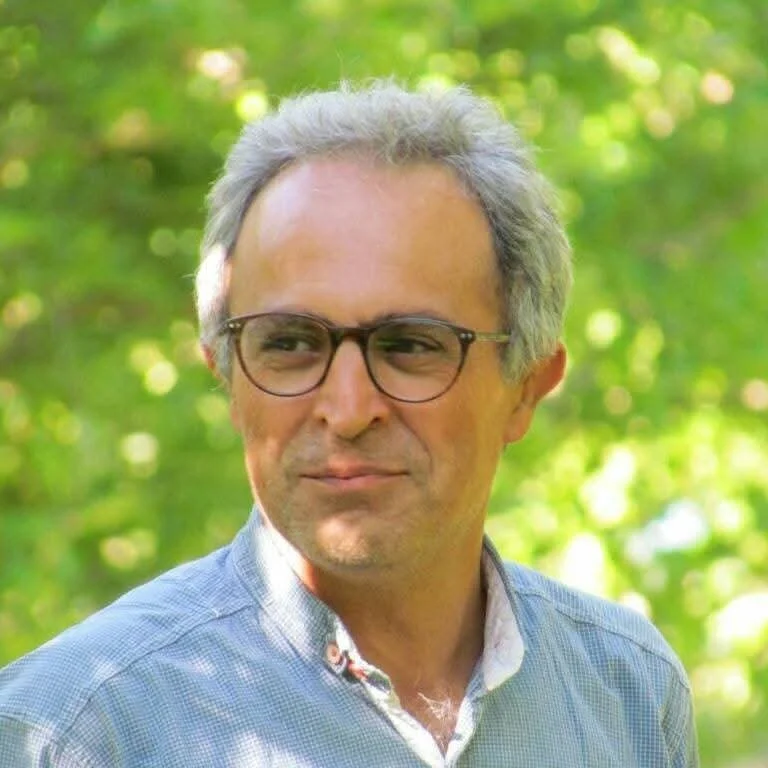
Azad Hajiagha
Azad Hajiagha is a political scientist specializing in political philosophy, Iranian politics, and Kurdish studies. His research has examined Kurdish women’s activism, secularism, and political thought in Iran and the wider Middle East. He has also translated major works on territory, secularism, and the Kurdish question into Kurdish.
Academic Executive Board Member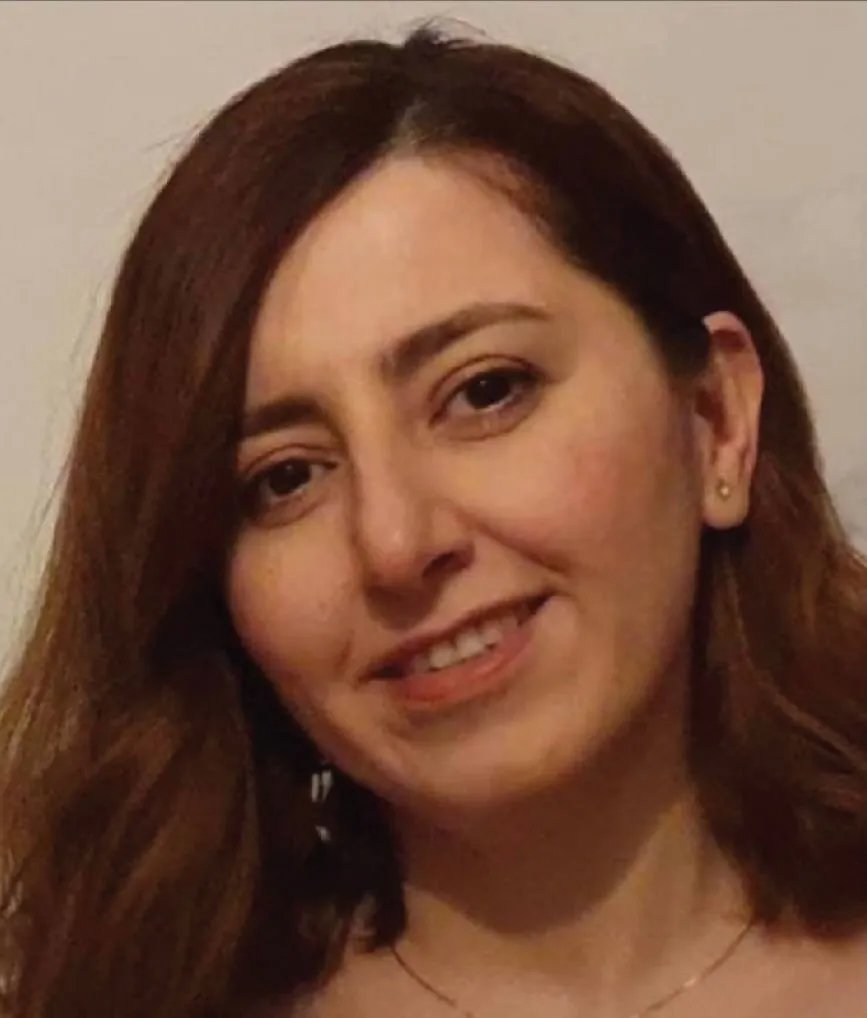
Atefeh Ramsari holds a PhD from Bielefeld University. Her research examines citizenship, belonging, and ethnic conflict in multinational societies, with particular attention to the Kurdish context. She has taught courses on citizenship, the nation-state, and social research methods at Bielefeld University and the Institute of Social Sciences at Rojava University in Qamishli.
Academic Executive Board MemberAtefeh Ramsari
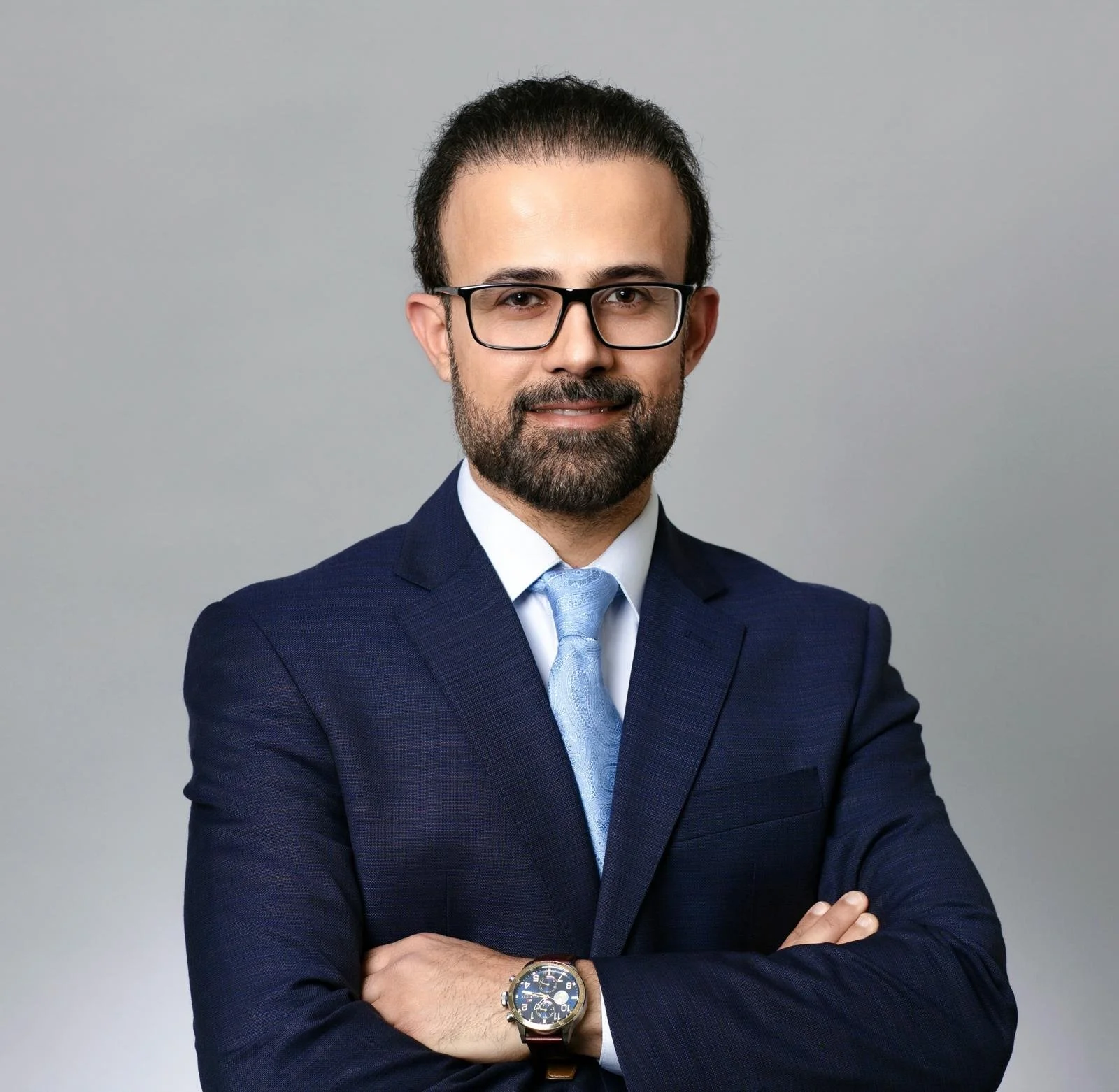
Qaraman Hasan is a scholar of environmental politics, international law, and human rights who teaches and conducts research at the University of Houston Law Center. He previously worked at Johns Hopkins University and taught at universities in Rojava, the Kurdistan Region, and New Zealand. His research focuses on environmental justice, climate change, and Middle Eastern politics.
Academic Executive Board Member